
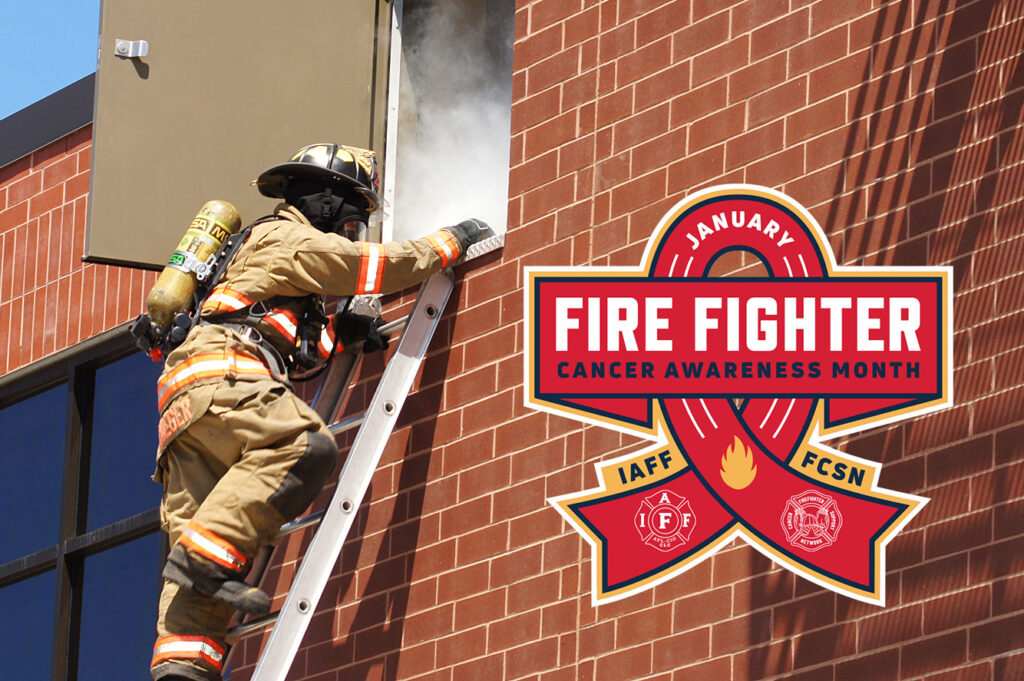
January is Firefighter Cancer Awareness Month, making it a great time to recognize the profound risks firefighters face and to reaffirm our commitment, as an industry, to create environments that protect those who protect us.
At CNH Architects, our work in fire station design is driven by a clear mission: reduce firefighter exposure to carcinogens while also supporting their mental and physical wellbeing.
Reducing Exposure: Cancer is a leading cause of death among firefighters due to the toxins they are exposed to while fighting fires. CNH Architects’ staff are experts on fire station zoning and have developed and implemented working strategies to reduce exposures to harmful chemicals for a variety of new and remodeled stations.
Carcinogen Reduction: Zoning the fire station based on carcinogen risk is critical in improving firefighter health. Approaches include providing enclosed turnout gear rooms and careful transitions between zones. Proper HVAC prevents cross contamination between “hot” zones with ramped exhaust and “cold” zones with positive pressure.
Decontamination: For every 5° that body temperature rises, skin absorption rates of carcinogens increase by as much as 400%. Positioning de-con showers within the decontamination route is crucial in removing the toxins from firefighters in a timely manner upon returning from the fire scene. Adjacent enclosed gear decon room is another important element in segregating and removing carcinogens. All decontamination areas have constant negative pressure routing toxins directly out to the exterior.
Material Selection: Eliminating formaldehyde and other chemicals from building materials and controlling radon gas exposure are also critical in carcinogen reduction. Selecting durable, easy-to-clean finishes allows for contamination to be thoroughly removed.

Cancer prevention is not just physical; stress, sleep disruption, and mental fatigue can all take a toll. That’s why our fire station designs elevate firefighter wellbeing through thoughtful, human‑centered features that improve mental and physical health.
Higher Standards: While carcinogen reduction is critical, firefighter mental health should be a cornerstone of today’s fire station design. CNH’s design team has set a new, higher standard for mental health features as seen in our recent fire station projects.
Space for Reflection: Our designs include the development of spaces in and outside of the station for quiet reflection including interior wellness rooms and exterior meditation plazas and patios.
Sound Separation: Multiple layers of sound isolation maximize firefighter sleep. Development of a “dorm suite” design reduces sleep disruption between firefighters during the night and at shift change.
Mental Release: Comprehensive fitness areas for improved physical conditioning and mental release include both interior and connected exterior physical training areas.
Lighting: The “startle response” uses ramped lighting and paging systems while lighting design also maintains firefighter night vision as they progress from dorm room to apparatus bay. Use of circadian lighting within residential areas reinforces natural sleep cycles and promotes relaxation. Throughout the day, the color temperature of the light changes to mimic the natural lighting outside.
Modern fire station design increasingly focuses on strategies that limit contamination and prioritize wellness. These approaches help departments reduce risk not only through equipment and training, but through the very spaces firefighters rely on every day.
In partnership with the Firefighter Cancer Support Network (FCSN), the IAFF has designated January as Fire Fighter Cancer Awareness Month to provide fire fighters the necessary tools and guidance to develop life-saving protocols for cancer prevention and to support those with a cancer diagnosis within their departments. For more information, visit: www.iaff.org/cancer-awareness-month/
Headquartered in Apple Valley, MN – CNH Architects, Ltd. is a creative, service-oriented firm that provides innovative design solutions for municipal and public, commercial, retail, vehicle, daycare, and animal care facilities. CNH has served clients in the Twin Cities and upper Midwest since 1969.