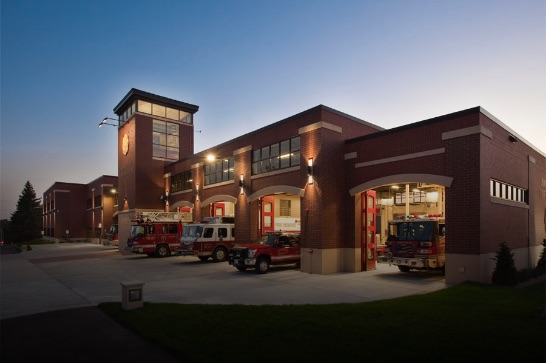
The award-winning Roseville Fire Station brings the City’s three former stations into one modern, efficient facility designed to support today’s emergency response needs while significantly reducing environmental impact. Built on an existing City site and remediated brownfield, the project incorporates extensive sustainable strategies—from heat‑island‑reducing materials and redesigned stormwater features to access to public transit, secure bike storage, and on‑site EV charging.
High‑performance building systems include enhanced insulation, LED lighting, and a tightly sealed envelope, all verified through rigorous commissioning for long-term efficiency. Most notably, the station connects to the Roseville Ice Arena’s geothermal system, using excess heat from the Arena to dramatically reduce winter energy demand.
Inside, the station prioritizes firefighter health with abundant daylight, low‑VOC materials, clean-air ventilation strategies, CO₂ monitoring, and construction-phase air quality protection. Recycled and regional materials are used throughout, supporting reduced embodied carbon and long-term operational savings. Together, these strategies make the Roseville Fire Station a high‑performance, sustainable civic building designed to serve its community for decades.
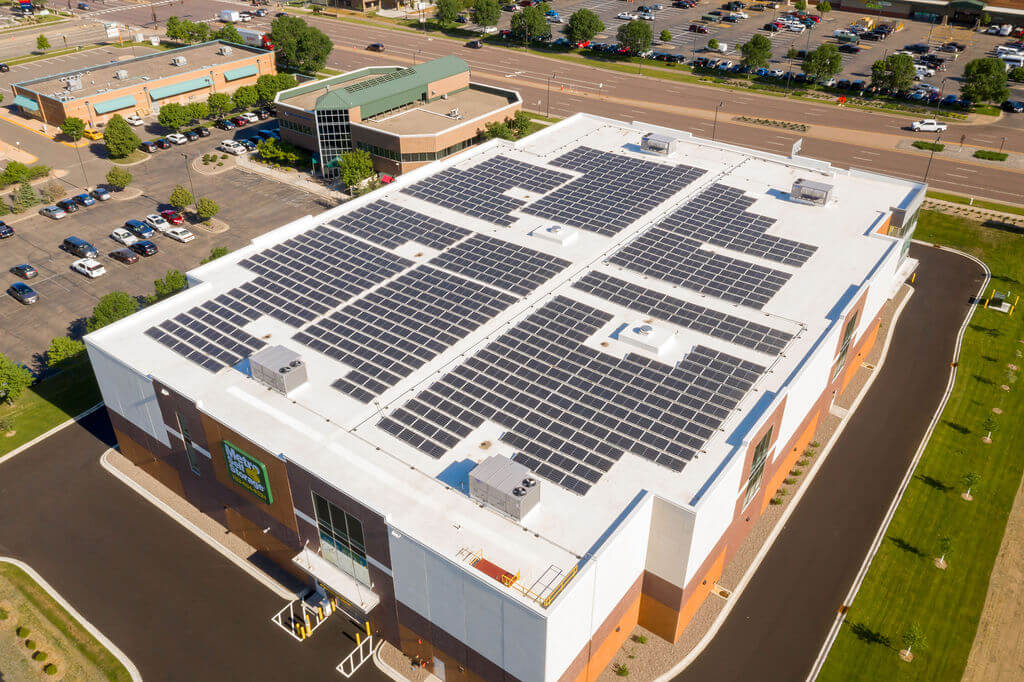
METRO SELF STORAGE - COON RAPIDS, MN
The Metro Self Storage facility in Coon Rapids represents an application of CNH Architects’ high‑performance prototype design – an approach that places sustainability, durability, and long‑term operational efficiency at the forefront. The 129,000 sf building is constructed using precast concrete wall panels and metal bar joists, chosen for their exceptional thermal performance, longevity, and reduced environmental impact compared to conventional construction methods.
This structural system minimizes material waste, streamlines fabrication, and improves the building envelope’s insulation value, helping lower heating and cooling loads throughout the year. With 903 storage units arranged for optimized natural daylight penetration, the facility reduces reliance on artificial lighting and improves occupant visibility and safety. The prototype also prioritizes adaptability and low-maintenance finishes, ensuring a long lifecycle with minimal resource usage.
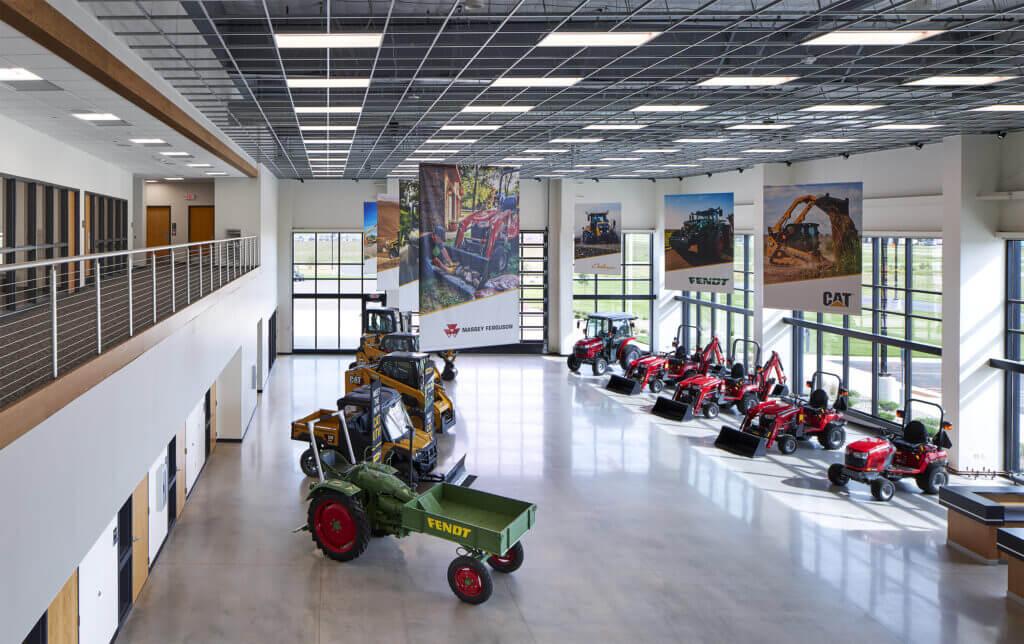
Ziegler CAT’s 75‑acre Willmar facility integrates robust sustainability strategies into its industrial operations. Designed for durability and energy efficiency, the campus incorporates a large‑scale photovoltaic panel array that offsets a significant portion of the building’s electrical demand. An electric vehicle (EV) charging station further supports cleaner transportation options for staff and guests.
The 18‑bay service shop and expansive showroom utilize energy‑efficient systems, durable materials, and improved indoor air quality measures to create a safe and high‑performance work environment. Daylighting and LED lighting reduce electrical load, while fall protection and crane systems were integrated without compromising the building’s thermal envelope. Together, these design strategies contribute to a facility that aligns with Ziegler’s long‑term environmental stewardship goals while delivering high operational performance.
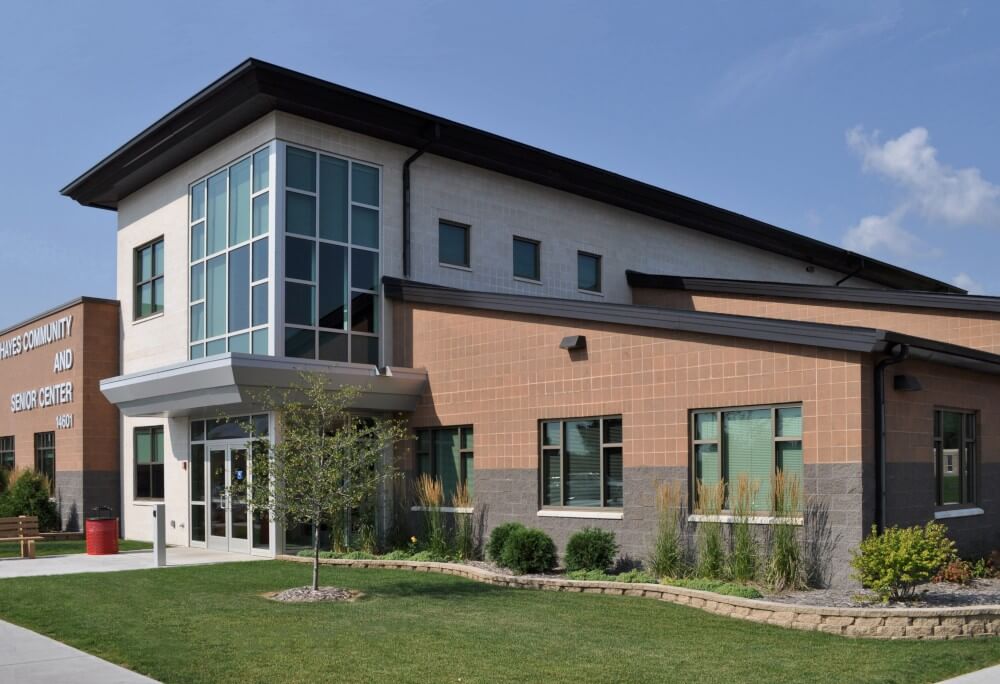
APPLE VALLEY SENIOR CENTER
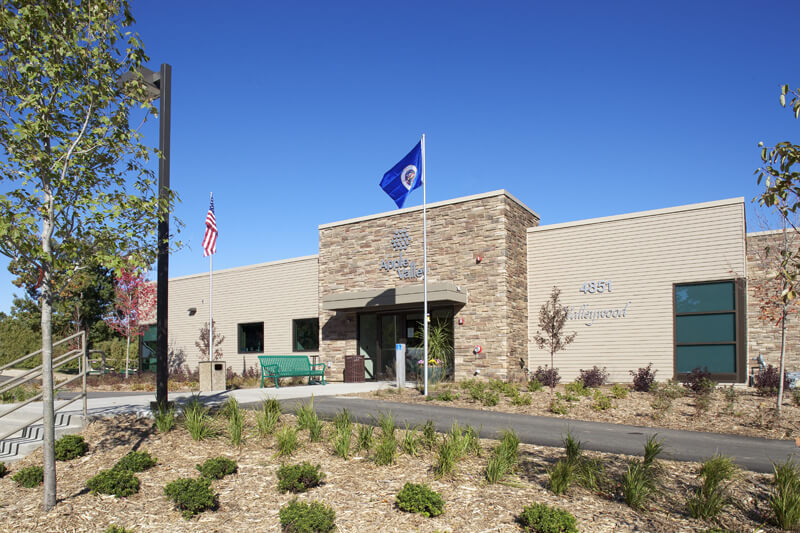
Certified with Two Green Globes, the Apple Valley Senior Center is a model for energy‑efficient civic architecture. The building employs daylight harvesting technologies, reducing the need for artificial lighting and improving visual comfort for users. Its mechanical systems feature high‑efficiency heat pumps, controlled ventilation air exchange, and in‑floor radiant heating, all designed to use energy only where and when it is needed.
These integrated systems minimize heating and cooling demands, improve indoor air quality, and reduce the building’s operational carbon footprint. Through smart design and responsible material selection, the Senior Center provides a warm, welcoming atmosphere that performs efficiently year‑round.
VALLEYWOOD CLUBHOUSE
Valleywood Clubhouse is the first “new construction” building in Minnesota to earn Three Green Globes, reflecting an exceptionally high commitment to environmental stewardship. The clubhouse incorporates energy‑efficient building systems, envelope strategies, and durable materials to reduce long‑term environmental impact. Daylighting, efficient HVAC systems, and resource‑conscious design contribute to reduced energy use while enhancing occupant comfort and wellness.
In addition to its sustainability performance, the clubhouse elevates the golf experience with panoramic views, a flexible event space, and a socially engaging layout. Staff have optimized sightlines to the course for better operations (course staff in the pro shop have direct line of sight to the 1st tee, 9th green, 10th tee, putting green and end of the 18th hole), while the building’s careful siting and performance-driven design minimize disruption to the surrounding natural landscape.
APPLE VALLEY LIQUOR STORE NO. 3
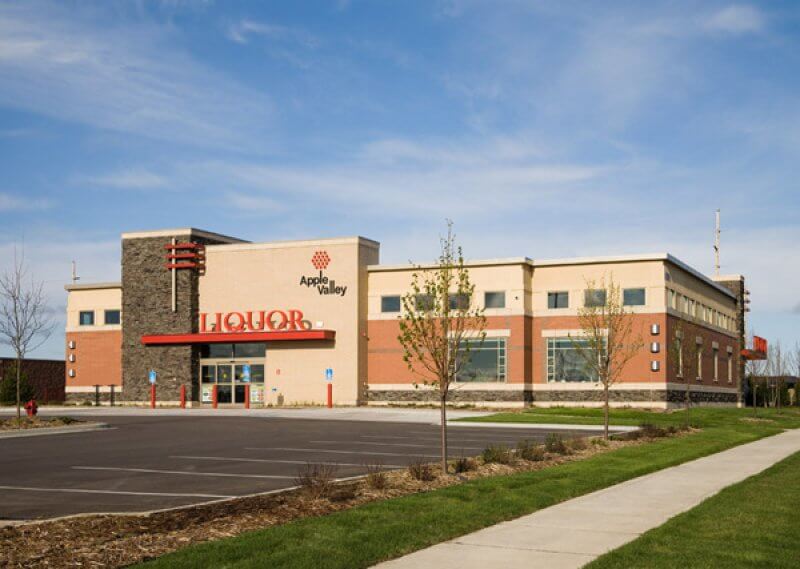
As the first project in Minnesota to achieve a Green Globes
certification, Apple Valley Liquor Store No. 3 set a statewide precedent for
sustainable retail design. Awarded Two Green Globes and ENERGY STAR®
certification, the building incorporates a highly efficient geothermal heat
pump system, paired with a ventilation air‑exchange strategy that dramatically
reduces energy consumption.
Even the building’s beer coolers were innovatively tied into
the geothermal system, capturing waste heat and putting it to productive
use—further lowering operational energy loads. Through these integrated
technologies, the store delivers outstanding year‑over‑year energy savings
while providing a comfortable, customer‑centered shopping experience.
NORTH COUNTRY BOTTLE SHOP
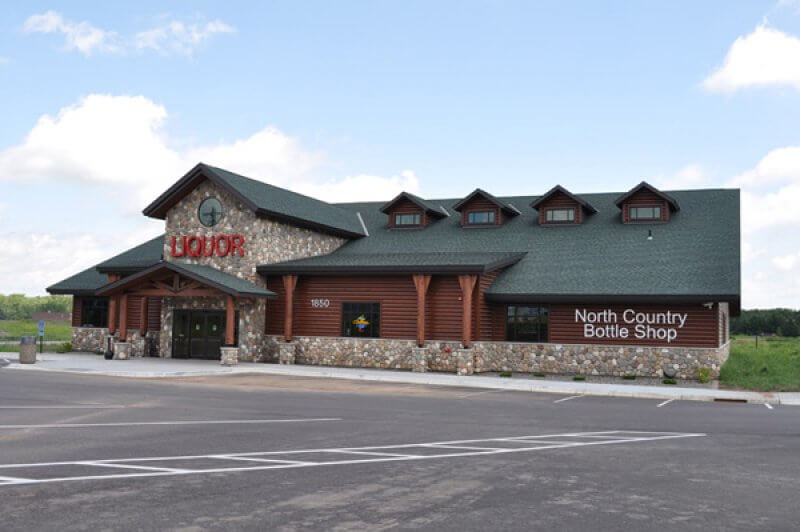
Designed to maximize operational efficiency and reduce environmental impact, the North Country Bottle Shop features a suite of high‑performance systems that substantially lower the building’s carbon footprint. Geothermal heating and cooling, occupancy‑based lighting controls, and high‑efficiency LED fixtures work together to keep utility costs low while improving customer comfort.
Efficient store layout and shelving systems reduce staff movement and streamline stocking, which in turn reduces energy and labor expenditures. Exterior site design accommodates a variety of vehicle types, improving traffic flow while maintaining functional simplicity. The bright, open interior uses daylight and efficient lighting to create an inviting retail environment that highlights products while consuming significantly less energy than a traditional liquor store.
BURNSVILLE FIRE STATION NO. 1
CNH’s largest fire station to date, the City of Burnsville’s Fire Station No. 1 is home to a crew of all full-time firefighters and more than 44,000 SF with 10 apparatus bays. Firefighter safety was one of nine top priorities for the station. Multiple contamination zones and a designated de-contamination area will allow firefighters to keep contaminated equipment and clothing in the apparatus bay until decontaminated. Another priority in the design was firefighter mental health. A warning system that slowly ramps up with alert tones and lighting while only alerting responding staff ensures firefighters are not awoken in an abrupt manner. The station includes areas for relaxation with different lighting to promote natural sleep rhythms, as well as a yoga studio and meditation garden. Extensive firefighter training features including Firefighter 1 and advanced training elements are another highlight of the station.