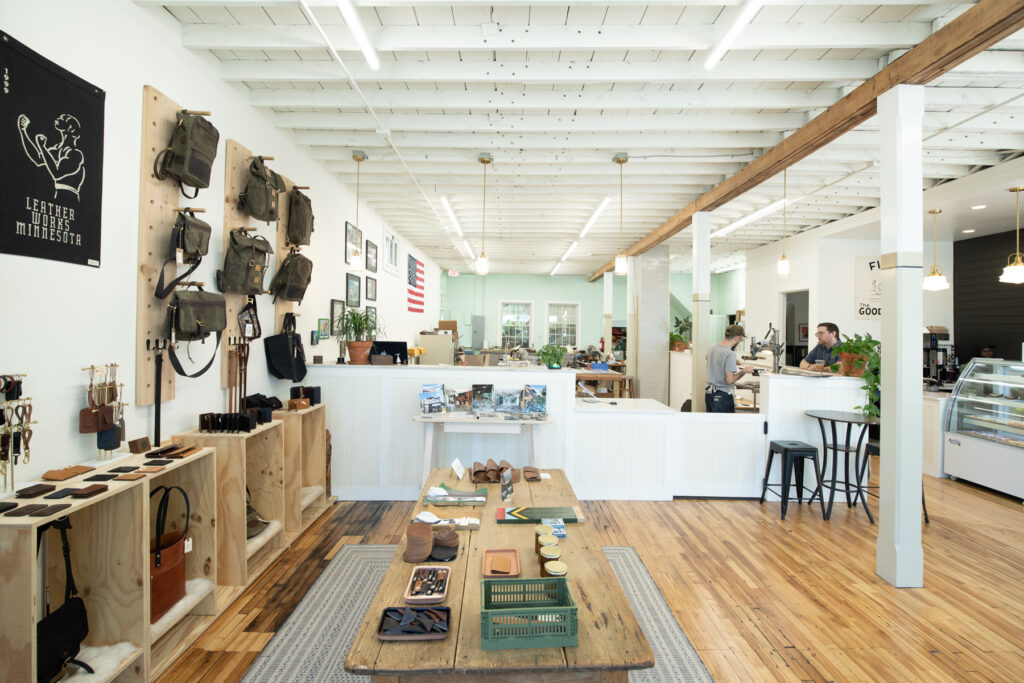
In 1999, Kent and Lee Begnaud founded Leather Works Minnesota in a humble garage, driven by a passion for craftsmanship and American-made goods. Over the years, their journey took them through Lowertown, St. Paul, where they continued to refine their vision.
Now, in collaboration with CNH Architects, the owners are embarking on a new chapter with a move into the historic Joseph’s Meat Market building on St. Paul’s West Side. Originally built in 1908, this site holds deep local and historical significance, making it a fitting new home for the business.
Through meticulous design and collaboration, every aspect – from architectural layouts to interior materials – was selected to honor the artistry of leatherworking in a building that is as authentic as the craft itself. Original architectural features were preserved, highlighted, and seamlessly blended in with modern updates and functionality.
The upgraded space is more than twice the size of their previous location, offering an enhanced retail experience while introducing a new concept: Joseph’s Coffee and Donuts. The welcoming idea invites the community to sip coffee while observing the manufacturing process of fine leather products in a balanced, timeless atmosphere that celebrates both tradition and progress.
Throughout the architectural process, immersive 3D imaging tools allowed Kent and Lee to visualize their ideas with clarity, refine concepts, and make informed decisions. With trusted expertise, CNH Architects provided guidance through the complexities of commercial construction, permitting, and inspections—helping these small business owners navigate the process with confidence.
Kent, Lee, and the entire Leather Works Minnesota team are grateful for the unwavering support from the community and look forward to sharing their thoughtfully crafted space for years to come.
OMNI WINERY AND TAPROOM
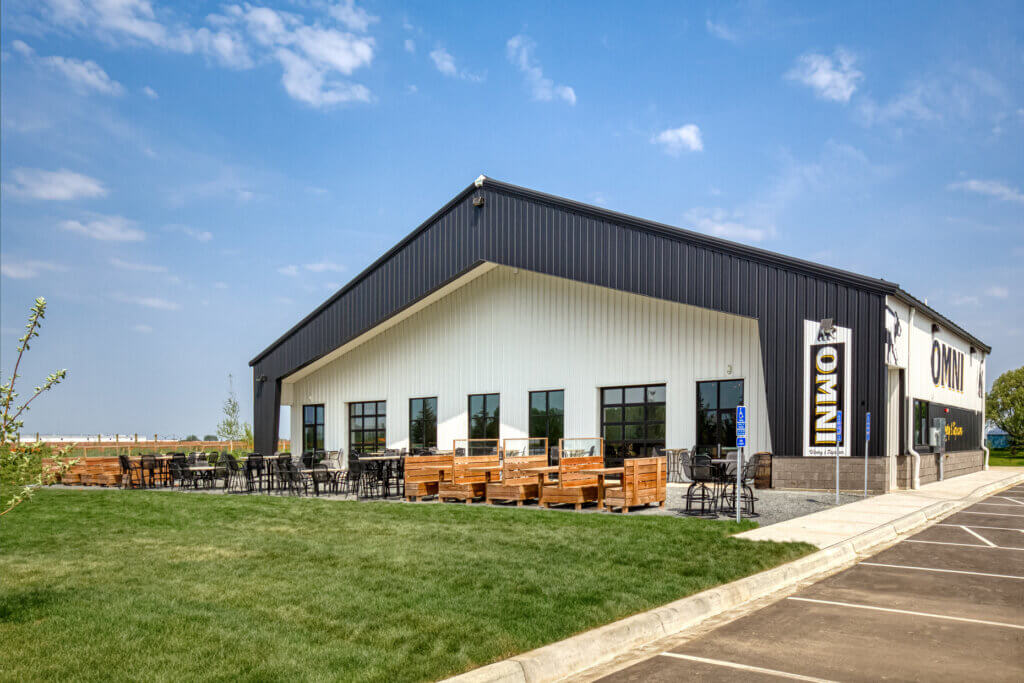
CNH Architects took part in designing the community-centric gathering place located in Rosemount, MN, with a primary goal of making all feel welcome within the area. As its name suggests, the Latin word “omni” means “of all things” and reflects both the brewing of all things – as well as the all-encompassed humanitarian connection that grows from the craft.
With a winery that includes a tasting room, event space, outdoor patio, vineyard, and game space -people and pets can roam an open floorplan in a structure that rests in open land. A metal exterior was chosen to fit a farm-agricultural feel, with an overall aesthetic that respects the historic roots of an agronomical community.
The architectural design expands views outward with large window bays and opening doors – but also holds visual interest with the use of mixed materials, perforated panels, steel members, plane changes and cut-outs. The production area is intentionally transparent, inviting and educating the public into the experience that is winemaking. A prominent exterior logo greets and welcomes guests in. A future phase of landscaping will feature orchard trees, paths, vineyards, and other attractive elements that will further promote a free and wandering concept.
All in all, the OMNI Winery and Taproom pays homage to the city’s history while foretelling future expansion, making the project one that CNH Architects feel honored to have contributed to.
FARMER AND THE FISHMONGER
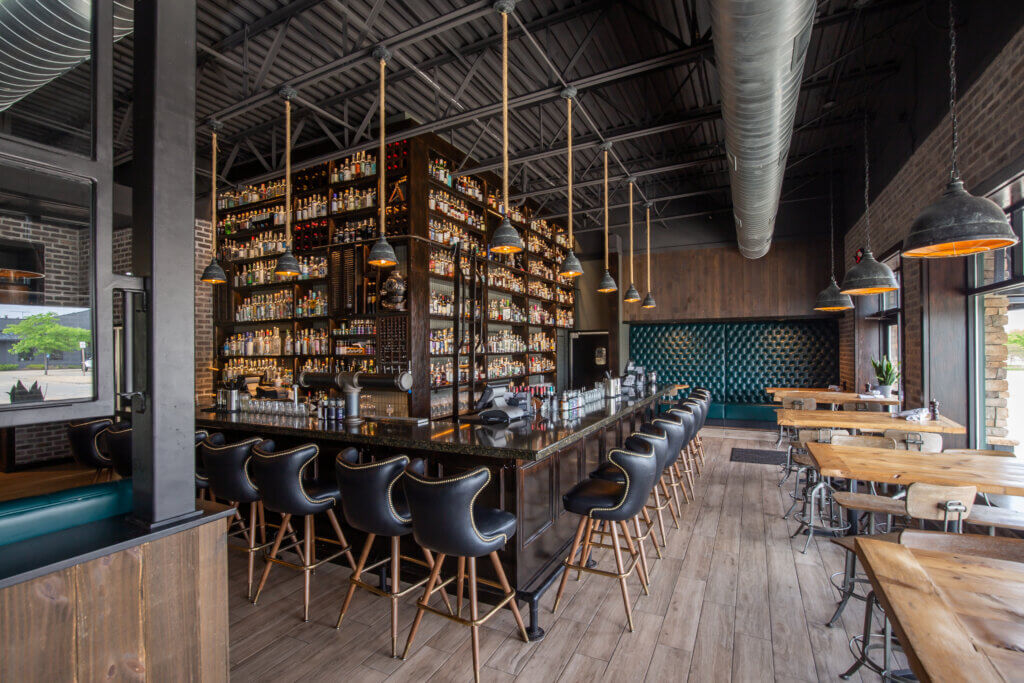
CNH Architects interior design team recently collaborated with the owner of one of Apple Valley’s newest restaurants to remodel a vacant restaurant space. The owners of Farmer and the Fishmonger had a very specific vision in mind and CNH assisted in bringing that to fruition by providing the permit set and designing glass and metal wall partitions. Other interior design updates include:
– exterior facelift with fresh paint and signage – replaced cooking equipment and some prep equipment – large bar display – bar equipment upgrade – metal and glass divider panels added to create more intimate seating sections in the dining area – bar and dining area finishes were completely redone to create a more modern and upscale experience – new booths, tables, and chairs throughout
Farmer and the Fishmonger is all about using locally-sourced ingredients to “reimagine the traditional steakhouse,” according to their website. They also offer craft cocktails “infused with wild, seasonal ingredients sourced from local farmers, foragers, and fishmongers.”
Minnesota Farmers Union Building
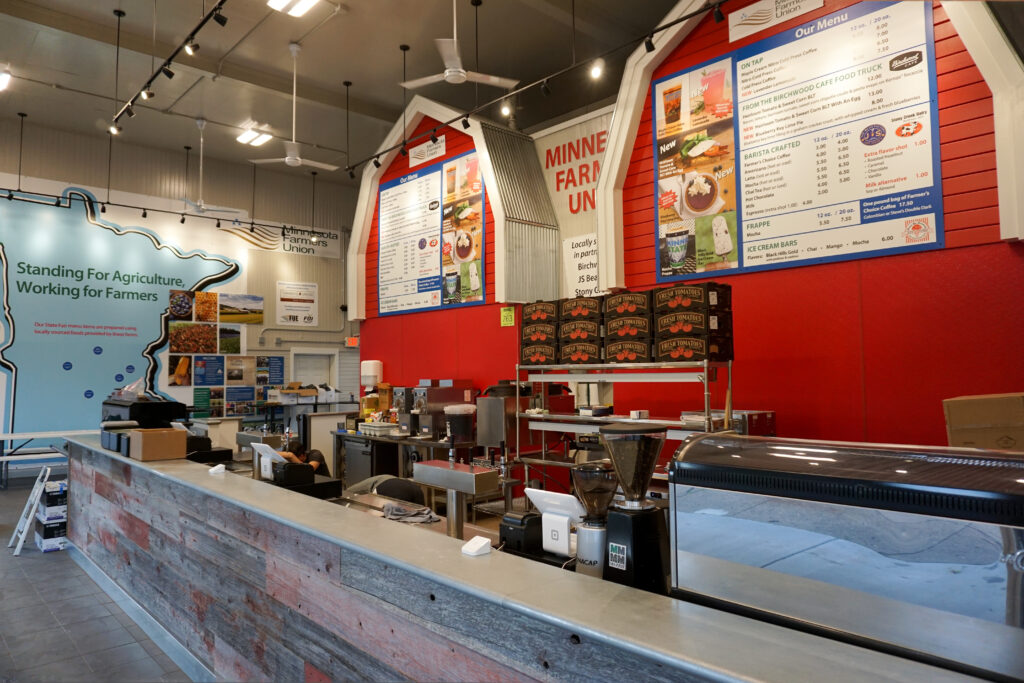
CNH Architects collaborated with Minnesota Farmers Union and Birchwood Café to redesign the Farmers Union building at the Minnesota State Fair, enhancing both functionality and visitor experience. The updated structure features a barn-and-shed-inspired design, incorporating galvanized metal countertops, recycled barnwood, and agricultural-themed elements to reflect the organization’s roots.
Key improvements include a reconfigured service area to streamline customer flow, a permanent front canopy, upgraded lighting, and a roof over the back patio. Interior updates such as gray tile flooring, ceiling fans, and LED lighting contribute to improved comfort and efficiency. The remodel also integrates a food truck operated by Birchwood Café, expanding food service capacity with offerings like BLTs, fruit cobblers, and nitro coffee.
A large map display highlights Minnesota farms that supply ingredients, supporting the Farmers Union’s educational mission. The project balances practical upgrades with storytelling elements, all within a compact footprint along one of the fair’s busiest corridors.
HILTON HOTEL MINNEAPOLIS
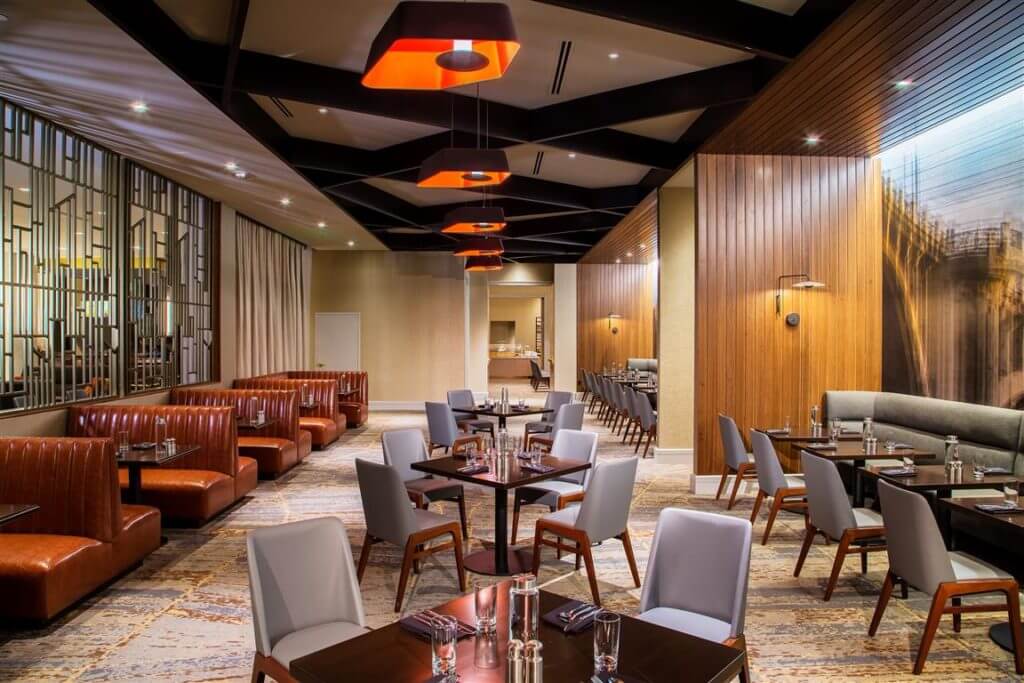
For the past 15 years, CNH has been working with the Hilton Hotel and Tower of Minneapolis, renovating existing space in the hotel. In 2017 this work included a major remodeling of the main lobby, restaurant/bar, reception desk, meeting rooms, and ballroom for a new fresh look, openness and amenities. A new marketplace allows for better selection of grab-n-go items and a connection to an outdoor patio area. All this work was done in phases to accommodate the ongoing operation of the largest hotel in Minneapolis.
THE MISFITS COLLECTIVE
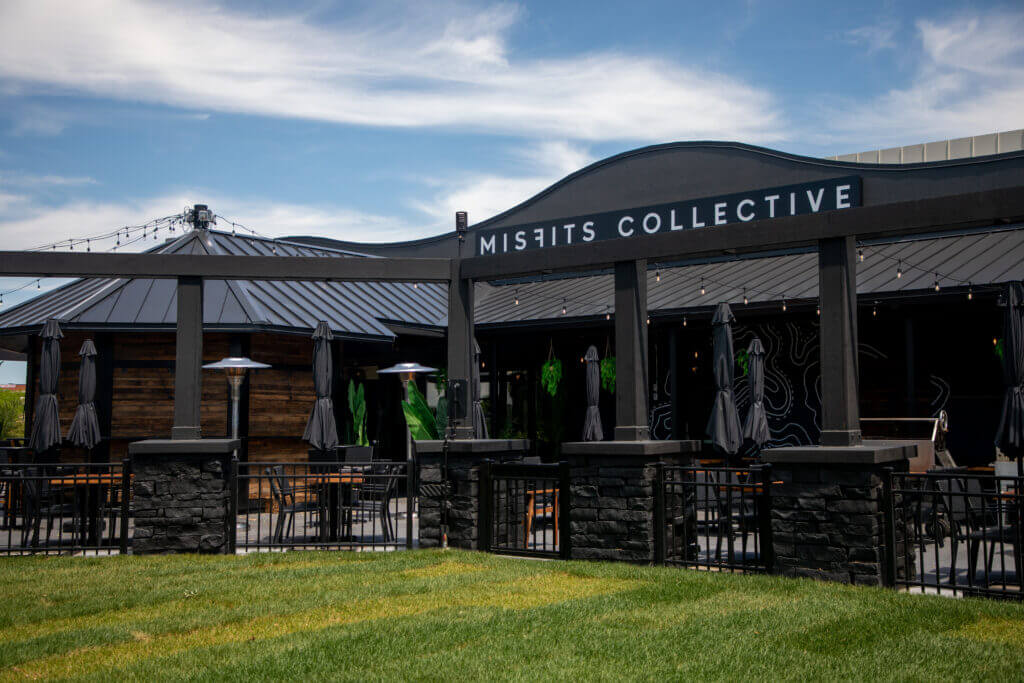
CNH Architects worked with The Misfits Collective in Apple Valley to remodel a vacant restaurant space in Apple Valley. A full wall was removed for an open kitchen aesthetic, allowing customers a view into the kitchen area. The acoustical panel ceiling was removed to reveal the existing barrel vault ceiling for an industrial vibe in the large dining room. A beverage area was also added adjacent to the kitchen. As the owners wanted to highlight and upgrade the massive existing patio, CNH added a new patio roof connecting the seating area to the existing outdoor bar. This not only updates the space, but also allows for outdoor use year round, maximizing usable seating and capacity.
SUMMIT SNOWBOARD
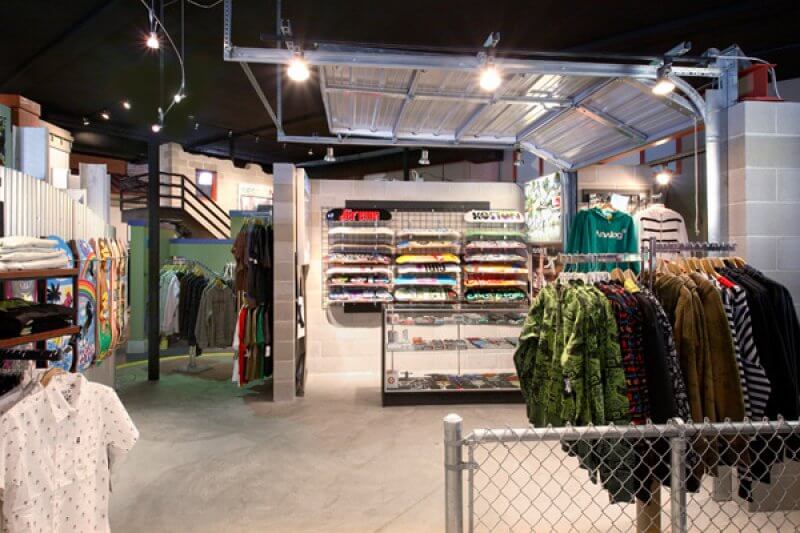
This project included providing retail fixtures and lighting design for a snowboard and skate store remodeling. The design was developed to give an edgy, urban alley feel to the shopping environment. Features include a fire escape, curbs, dock door, graffiti lined streets, and a plaza.
GRANDSTAY HOTEL
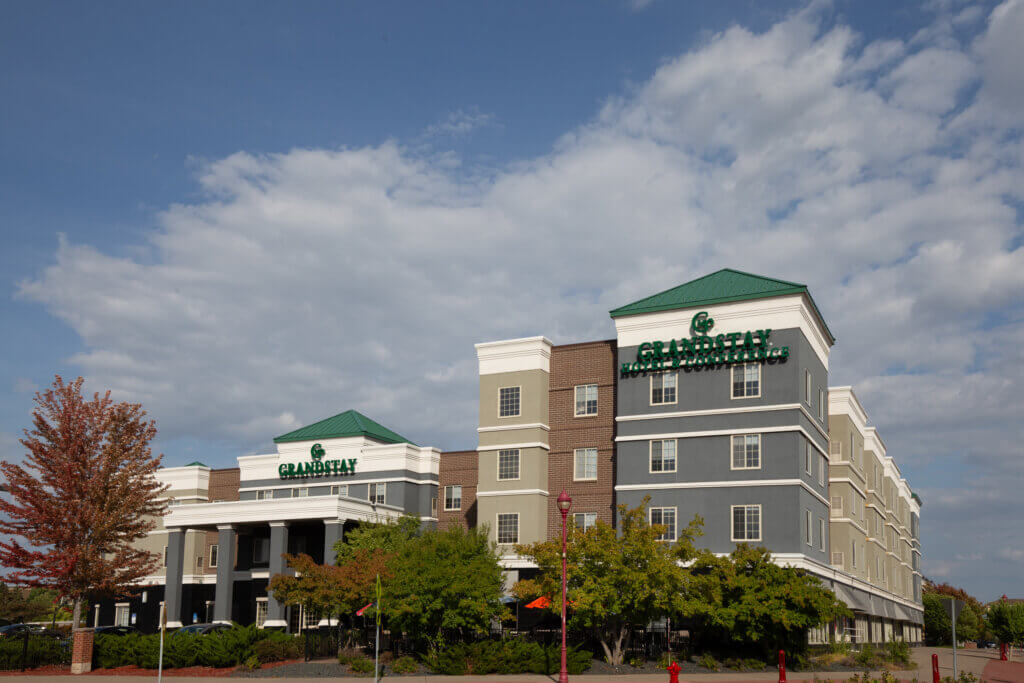
CNH Architects updated the GrandStay Hotel and Conference Center in Apple Valley with a more urban looking exterior and chic, streamlined interior. Portions of the first floor were reconfigured to connect the lobby and conference center. With the addition of the new corridor, the existing breakfast area was relocated and updated. Automated entrance doors and new carpeting were installed, and historic local photographs were hung in common areas.
VALLEYWOOD CLUBHOUSE
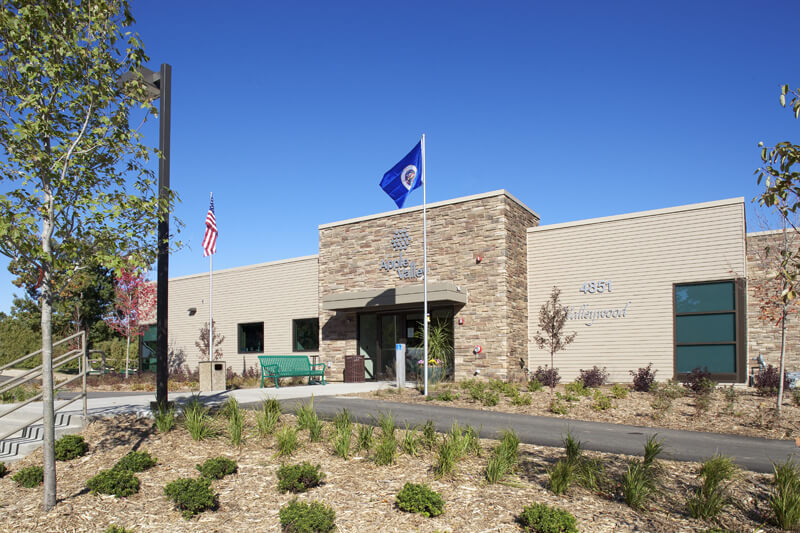
Valleywood Clubhouse is the first “new construction” building in Minnesota to earn Three Green Globes, reflecting an exceptionally high commitment to environmental stewardship. The clubhouse incorporates energy‑efficient building systems, envelope strategies, and durable materials to reduce long‑term environmental impact. Daylighting, efficient HVAC systems, and resource‑conscious design contribute to reduced energy use while enhancing occupant comfort and wellness.
In addition to its sustainability performance, the clubhouse elevates the golf experience with panoramic views, a flexible event space, and a socially engaging layout. Staff have optimized sightlines to the course for better operations (course staff in the pro shop have direct line of sight to the 1st tee, 9th green, 10th tee, putting green and end of the 18th hole), while the building’s careful siting and performance-driven design minimize disruption to the surrounding natural landscape.
APPLE VALLEY LIQUOR STORE NO. 3
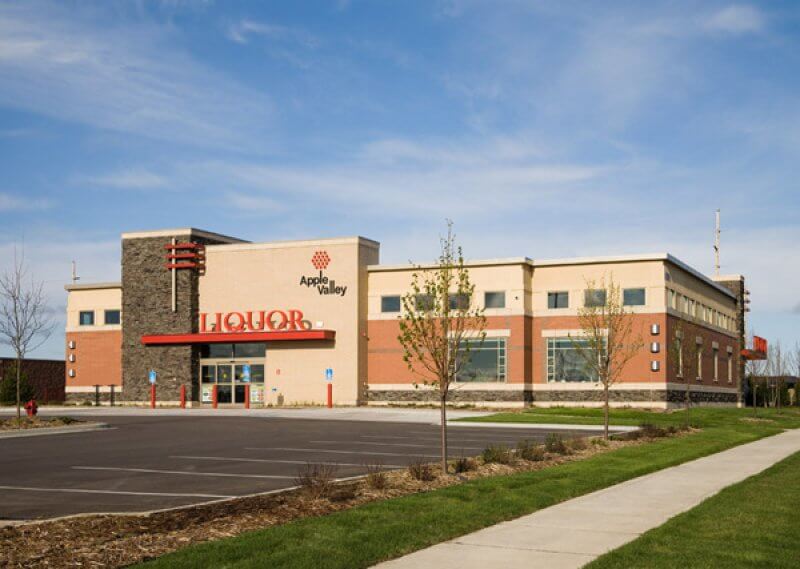
As the first project in Minnesota to achieve a Green Globes
certification, Apple Valley Liquor Store No. 3 set a statewide precedent for
sustainable retail design. Awarded Two Green Globes and ENERGY STAR®
certification, the building incorporates a highly efficient geothermal heat
pump system, paired with a ventilation air‑exchange strategy that dramatically
reduces energy consumption.
Even the building’s beer coolers were innovatively tied into
the geothermal system, capturing waste heat and putting it to productive
use—further lowering operational energy loads. Through these integrated
technologies, the store delivers outstanding year‑over‑year energy savings
while providing a comfortable, customer‑centered shopping experience.
GOPHER HILLS CLUBHOUSE
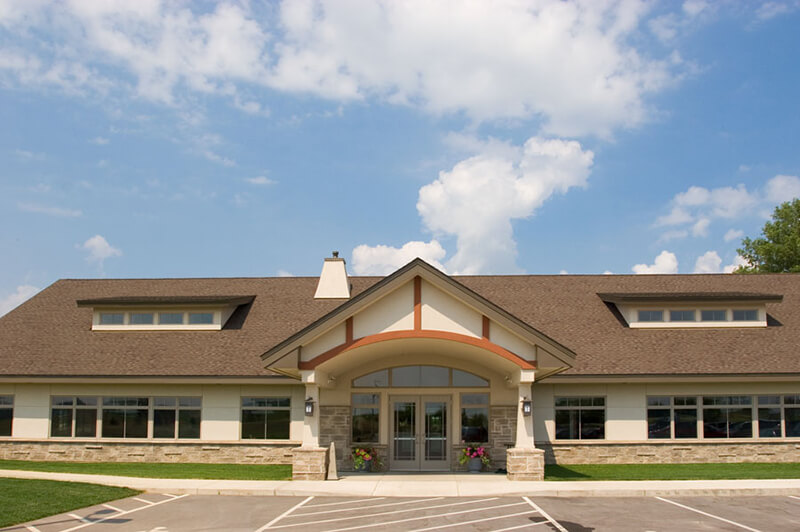
Created as a focal point for a renovated golf course, Gopher Hills Clubhouse houses an upscale dining room, pro shop, lounge, commercial kitchen, and banquet facilities. Wood trim and detailing throughout the building add a comfortable elegance to this rural setting.
CRYSTAL LAKE GOLF CLUB BANQUET HALL
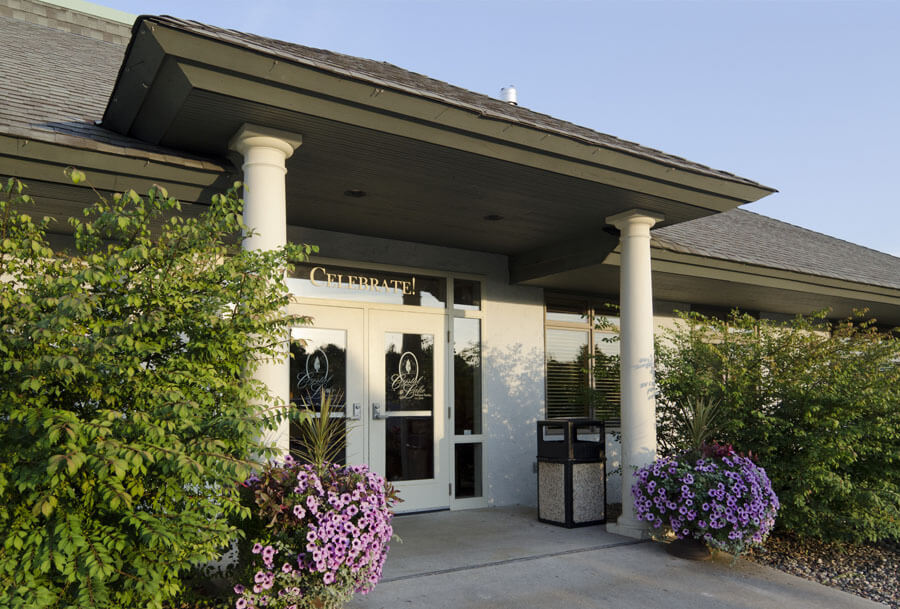
This addition adds banquet capacity and cart storage to an existing golf course. Sharing and expanding the existing clubhouse kitchen, the new banquet space overlooks both the 16th and 18th holes. The original clubhouse included a small seating area served by a limited grill. With the addition of this banquet facility, large tournaments can be accommodated along with other special events that take advantage of the picturesque surroundings.
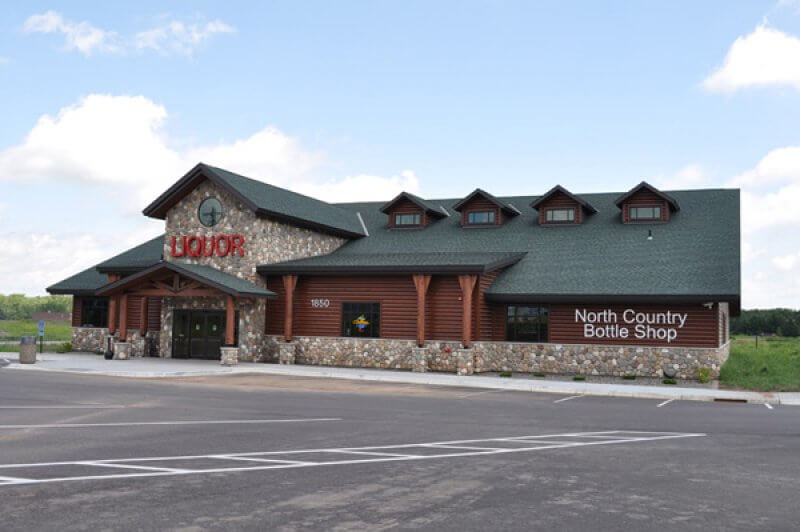
NORTH COUNTRY BOTTLE SHOP
Designed to maximize operational efficiency and reduce environmental impact, the North Country Bottle Shop features a suite of high‑performance systems that substantially lower the building’s carbon footprint. Geothermal heating and cooling, occupancy‑based lighting controls, and high‑efficiency LED fixtures work together to keep utility costs low while improving customer comfort.
Efficient store layout and shelving systems reduce staff movement and streamline stocking, which in turn reduces energy and labor expenditures. Exterior site design accommodates a variety of vehicle types, improving traffic flow while maintaining functional simplicity. The bright, open interior uses daylight and efficient lighting to create an inviting retail environment that highlights products while consuming significantly less energy than a traditional liquor store.
BURNSVILLE FIRE STATION NO. 1
CNH’s largest fire station to date, the City of Burnsville’s Fire Station No. 1 is home to a crew of all full-time firefighters and more than 44,000 SF with 10 apparatus bays. Firefighter safety was one of nine top priorities for the station. Multiple contamination zones and a designated de-contamination area will allow firefighters to keep contaminated equipment and clothing in the apparatus bay until decontaminated. Another priority in the design was firefighter mental health. A warning system that slowly ramps up with alert tones and lighting while only alerting responding staff ensures firefighters are not awoken in an abrupt manner. The station includes areas for relaxation with different lighting to promote natural sleep rhythms, as well as a yoga studio and meditation garden. Extensive firefighter training features including Firefighter 1 and advanced training elements are another highlight of the station.